Building the Capacity of Teacher Leaders: From Influence to Impact
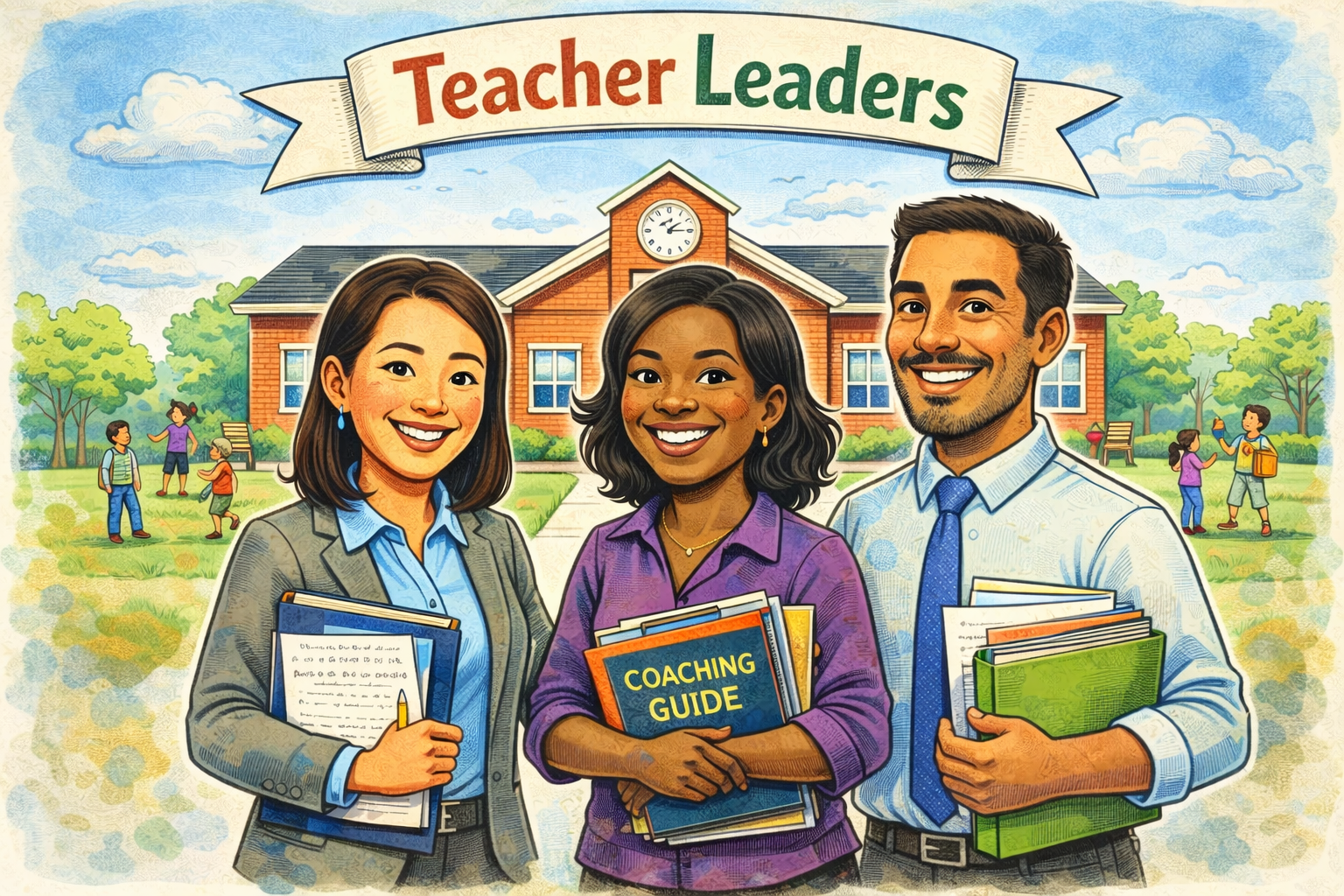
Every school has them . . .
The teacher others turn to for advice when a lesson flops.
The one who quietly models instructional excellence day after day.
The one who volunteers to pilot the new curriculum before anyone else will.
The one who mentors new staff informally, even when it’s not in their job description.
The teacher who students trust, families respect, and colleagues rely on.
These educators carry influence. But influence alone is not capacity.
If your teacher leaders stepped into a team meeting tomorrow, would they feel equipped to guide the conversation toward clarity and action? If not, that is not a deficit. It is an opportunity.
Here's something to consider . . .
If we want teacher leaders to move from informal impact to intentional leadership, we have to build their capacity on purpose.Building their capacity is about helping them turn that influence into intentional, system-level impact. Building the capacity of teacher leaders is not an add-on initiative. It is a strategic investment in sustainable improvement, one that strengthens both collaboration and coherence across the entire school.
Capacity Is More Than a Title
Giving someone the role of “teacher leader” does not automatically prepare them to lead adults.
Leading peers requires a different skill set than leading students. It demands:
Facilitation skills
Systems thinking
Data literacy
Coaching language
Understanding about adult learning
Without these tools, even the strongest instructional leaders can feel stuck, overwhelmed, or hesitant. Capacity-building bridges that gap.
From Supporter to Strategic Leader
Teacher leaders often begin as “supporters.” They share resources. They support colleagues. They solve problems informally. But building capacity means shifting from reactive support to intentional strategic leadership.
That shift happens when teacher leaders learn to:
Facilitate meetings with clear outcomes
Use structured dialogue protocols
Analyze data collaboratively
Align instructional moves with district priorities
Guide reflection rather than provide answers
It is the difference between being the go-to person and being a catalyst for collective efficacy.
Developing Both Skill and Identity
Capacity-building is not just about what teacher leaders do. It is also about how they see themselves. When districts invest in teacher leaders through coaching, structured professional learning, and opportunities to lead meaningful work, something powerful happens.
They begin to see themselves as system shapers, not just classroom experts.
That identity shift matters. It builds confidence, strengthens consistency, and creates distributed leadership that does not depend on one person at the top.
Why This Matters
Schools cannot rely solely on administrators to drive improvement.
Sustainable growth requires leadership at multiple levels. When teacher leaders have the capacity to facilitate, coach, and align practice across teams, improvement becomes collective rather than isolated.
And that is where real momentum begins.